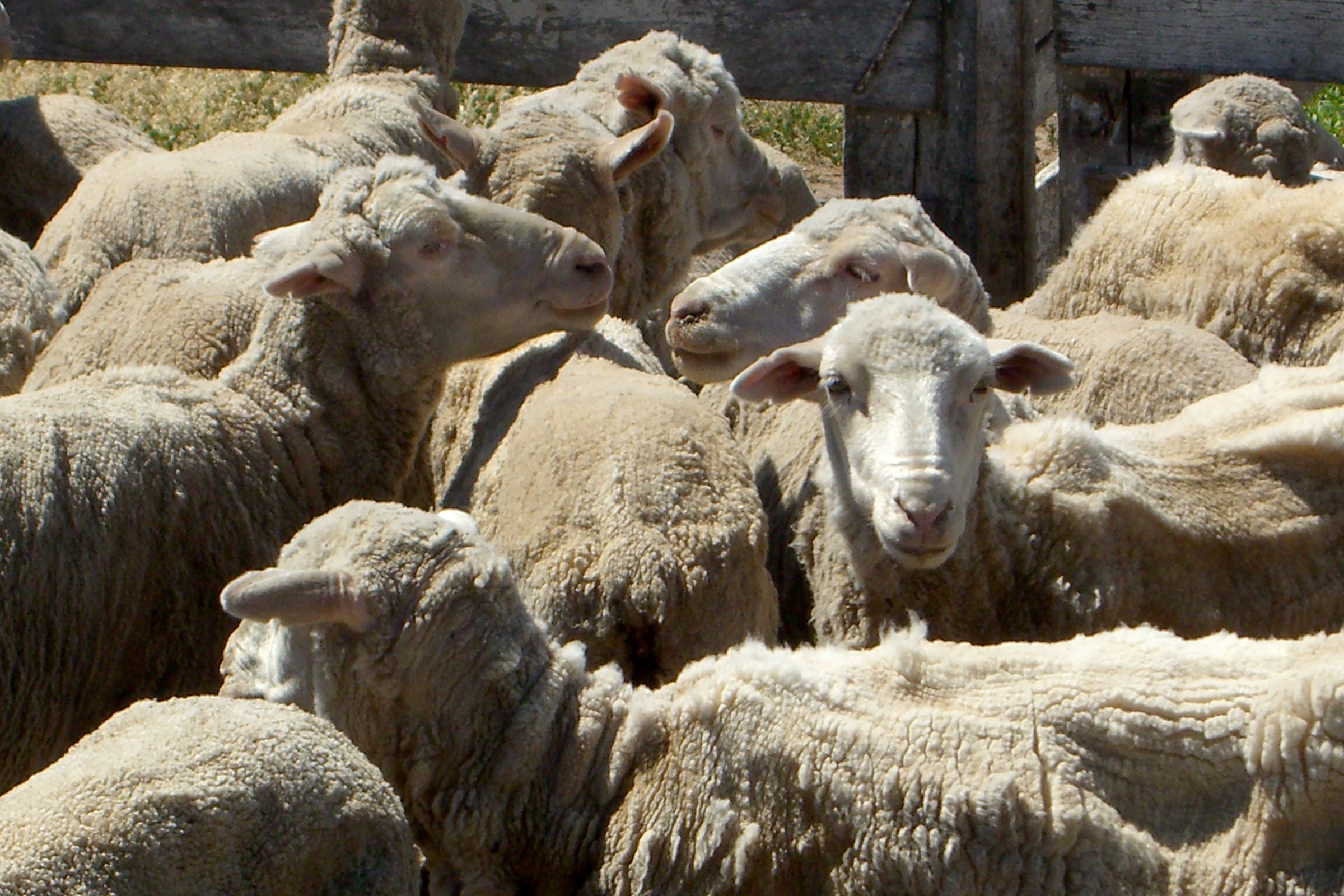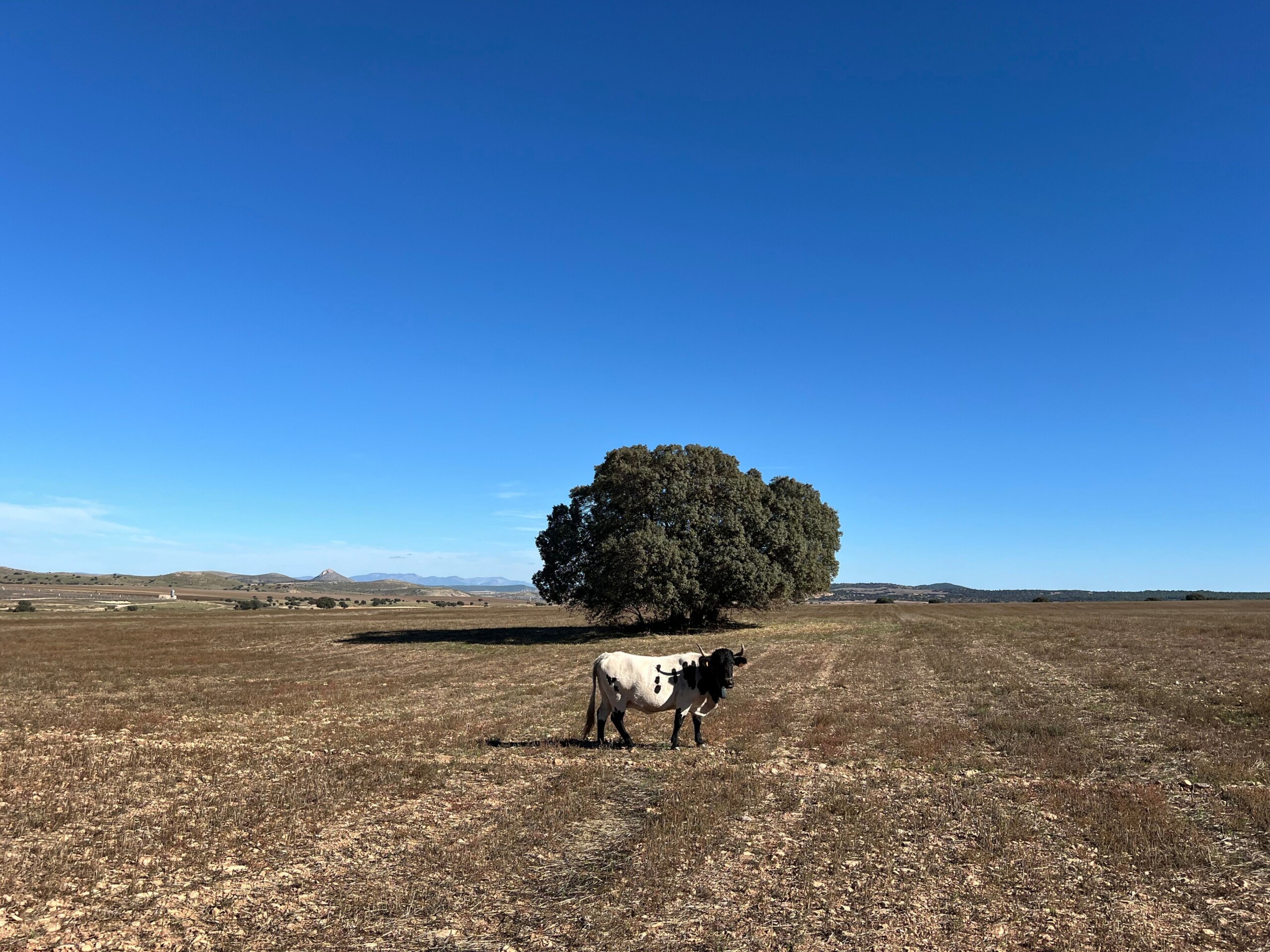
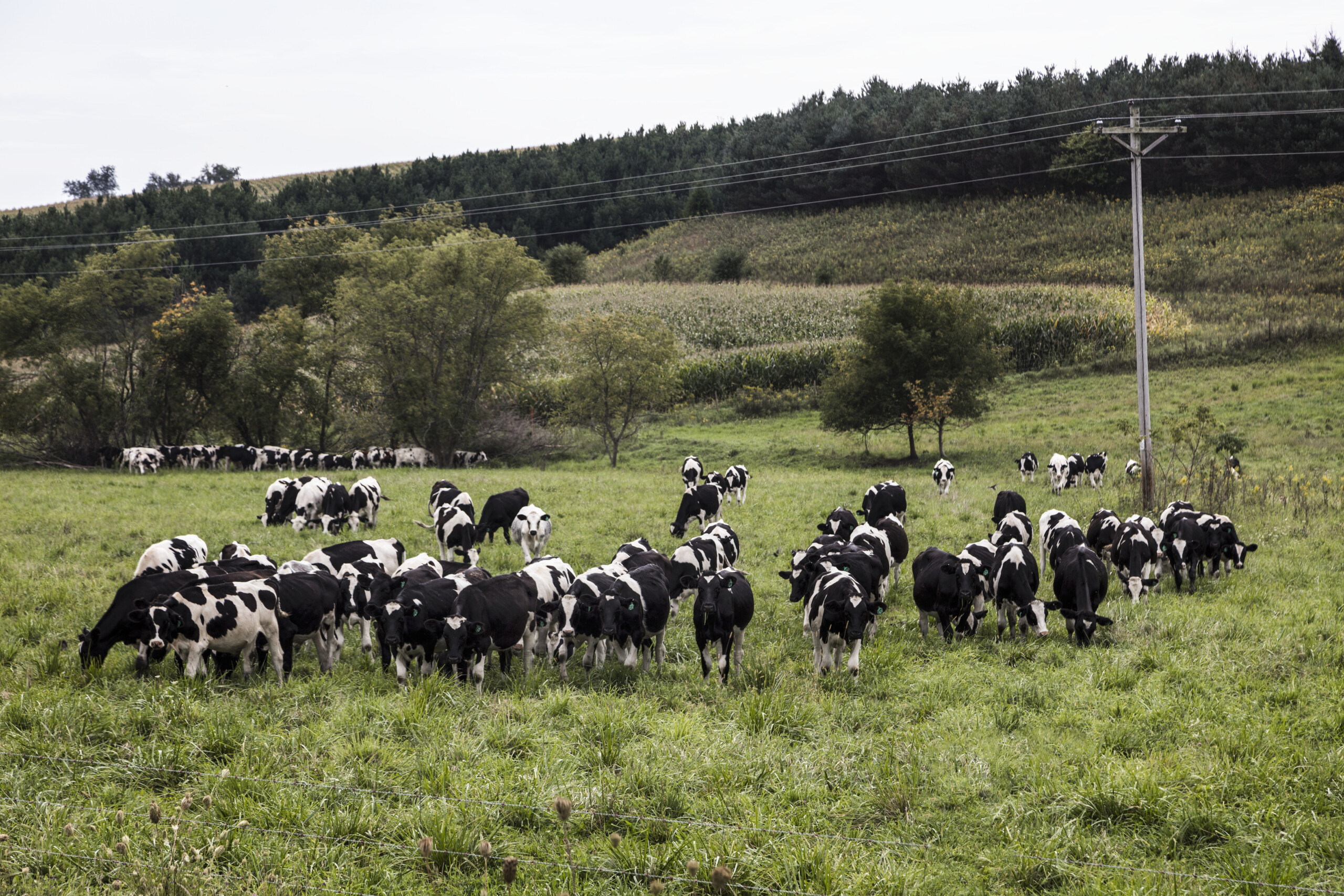
Photo: Dairy cows in a field in Tremealeau County, Wisconsin. Original image from Carol M. Highsmith’s America, Library of Congress collection. Digitally enhanced by rawpixel. Public domain.
10 February 2026
Regenerative dairy grazing in a world of mega-dairies
“So many times we look at this and we say, okay, we’re gonna solve this convincing farmers to produce a different way… but at the end of the day, if there is not a value in it or extra dollars in it, they can’t do it.” — Joe Tomandl
What happens to regenerative, pasture-based dairy when 10,000‑cow confinement dairies can now undercut grazers on cost? In this episode, host Koen van Seijen sits down with Wisconsin dairyman and Dairy Grazing Alliance founder Joe Tomandl for an in‑depth look at what’s next for grazing-based dairy in the United States.
Joe grew up on a small dairy farm that chose managed grazing in the 1980s just as the “go big or go home” era of industrialization was ramping up in US dairy. Instead of following the confinement trend, his family—and later Joe and his wife on their own farms—focused on low-cost, pasture-based systems, building up three ~200‑cow organic grazing dairies in northern Wisconsin. Today, Joe is grappling with a challenging new reality: mega-dairies have become so large and efficient that they often out-compete even well-run grazing farms on the price of commodity milk.
From low-cost niche to being undercut: the new dairy economics
For years, smaller graziers with 150–200 cows could beat confinement systems on cost of production while maintaining strong animal welfare and ecological outcomes. That is no longer guaranteed. Joe explains how the explosive growth of 1,000‑ to 100,000‑cow dairies, coupled with more than 11 billion dollars in new processing infrastructure, has created extreme economies of scale that drive their cost per unit of milk down by 8–10 dollars compared to many grass-based dairies.
This shift matters for rural communities and landscapes, not just farm balance sheets. Concentrated Animal Feeding Operations (CAFOs) rely on heavy confinement, imported feed, large manure lagoons, and heavy use of borrowed money, causing serious harm to water, climate, and animal welfare — harm that markets still largely ignore. Yet their cost advantage increasingly makes it difficult for small and mid‑sized graziers to survive in the commodity milk market, even when pasture‑based systems deliver better outcomes for soil, biodiversity, communities, and the nutritional quality of milk.
Why mid-sized dairy farms are key to regenerative transition
Rather than focusing only on tiny niche operations or trying to convert mega‑dairies, Joe argues that the most promising place to focus is the “middle” of the sector: 300–700 cow dairies with land around them that is currently in row crops but could be grazed. These farms often sit on older, mostly paid‑off barns and equipment, and have enough scale to supply specialty markets that pay a premium, yet they are small enough that cows can still walk to nearby fields.
Transitioning such farms toward grazing is not as simple as “opening the barn door.” It requires:
- Fencing, lanes, and water systems—or increasingly, virtual fencing collars—to move herds efficiently.
- Grazing management skills that many confinement operators do not yet have.
- Access to adequate pasture within walking distance of the milking parlor.
- Willing investors who can offer flexible finance to retrofit facilities and give farmers time to learn.
Joe’s own experience—converting two former 50‑cow dairies into ~200‑cow grazing operations instead of doubling his original herd into a 400‑cow confinement unit—shows how duplication and decentralization can keep more families on the land while maintaining a strong grazing focus.
Dairy Grazing Alliance: building skills and markets for grass-based dairy
To make regenerative grazing viable beyond a handful of pioneers, Joe helped launch the Dairy Grazing Apprenticeship in 2010: a two‑year, 4,000‑hour “earn while you learn” program combining on‑farm training with classroom instruction in managed grazing. The program, now active in more than a dozen states, has enabled successful farm transitions and brought new entrants into grazing-based dairy.
Recognizing that education alone would not be enough, the initiative has since evolved into the Dairy Grazing Alliance, which works across the whole supply chain—from finance and production to processing and retail—to:
- Support graziers with practical advice and peer networks.
- Explore decentralized and regional processing options.
- Co‑develop premium markets for grass-based and regenerative milk.
- Collaborate with researchers like Edacious/Bionutrient Institute/Utah State University on nutrient-density testing to quantify the health benefits of pasture-based dairy.
This systems approach closely aligns with DMSF’s focus on connecting animal integration to farmer livelihoods, resilient landscapes, and grounded, on‑the‑land learning that guides more adaptive decisions over time.
Defining “grass-fed” for scale, integrity, and nutrient density
A central theme of the conversation is how to build a credible, scalable grass-fed standard that can reward better practices without demanding perfection from day one. Joe is concerned that, without a clear minimum standard, “grass-fed” could become an empty marketing term used by large brands without delivering substantial ecological or nutritional benefits. This would undermine both farmers and consumers.
He and colleagues are exploring a US grass‑fed standard tied to pasture dry matter intake: for example, requiring that cows harvest at least around 50 percent of their forage from grazed pasture during the grazing season. This kind of simple rule:
- Keeps the focus on cows actively harvesting grass themselves, not just on harvested forage fed indoors.
- Naturally limits the feasible size of herds and reinforces the role of mid‑sized, land‑based dairies.
- Creates space for a tiered market, where 100 percent organic grass-fed remains the “specialty coffee” of dairy, while a broader segment of farms can still meet strong grass-based criteria.
Parallel work with nutrient-density researchers is examining how omega‑3:omega‑6 ratios, CLA levels, and other markers change along a continuum—from zero-grazing up to full grass-fed—to understand where the biggest health and quality gains occur.
Virtual fencing, data, and technology that supports biology
Like other farmers featured in this podcast series, Joe sees a role for carefully chosen technology that expands, rather than replaces, biological function. He points to virtual fencing systems that allow cows to graze large, unfenced fields and still return to the parlor twice a day, as well as collar‑based tools that give graziers the animal-level data they are used to having in confinement systems.
For mid‑sized confinement dairies sitting in the middle of hundreds of acres of corn and soy, virtual fencing and better tools to monitor pasture use could dramatically lower the cost and complexity of converting cropland back to diverse pastures. This aligns with DMSF’s emphasis on “ag‑tech done right”—tools that make it easier to manage complexity, close nutrient loops, and keep animals on the land in ways that benefit soils, water, and communities.
Investment, food security, and a million acres of grass-based dairy
From an investment and system‑change perspective, Joe believes there is a significant opportunity to build a domestic grass-fed dairy sector that uses about 5 percent of US dairy cows and roughly one million acres of land, yet could account for more than 10 percent of the industry’s value. Estimates suggest US grass-fed dairy and beef could reach around 7 billion dollars by the early 2030s, with current domestic production capacity falling short of that demand.
Unlocking this potential would require:
- Long-term offtake agreements from retailers or brands willing to pay a premium for verified grass-based milk.
- Blended finance structures that mix regular bank lending, softer low‑interest or higher‑risk money, and mission‑driven investment to help mid‑sized dairies retrofit infrastructure and transition to grazing.
- Targeted investment in nearby, smaller‑scale processing plants that can keep grass‑based milk separate from other milk and sell it as a distinct, higher‑value product.
Joe frames this not just as a market opportunity, but as a food security and resilience imperative. An ultra-centralized, highly leveraged dairy system may be efficient on paper, yet it is also brittle—vulnerable to extreme weather, disease outbreaks, geopolitical disruption, or infrastructure failures. A more diversified network of pasture-based dairies and regional processors would spread risk while supporting rural economies and ecological health.
Listeners interested in regenerative livestock, a more resilient food system, and practical pathways for transitioning “ag of the middle” will find in this episode a nuanced roadmap: not a call to perfection, but a search for workable standards, investment models, and technologies that keep cows on grass, farmers in business, and rural landscapes alive.
Find all episodes in this series on the DMSF Podcast Hub.
The Role of animals in the food and agriculture system of the future podcast series is co-created and supported by the Datamars Sustainability Foundation. Discover more about our ongoing projects and join the conversation about building regenerative food systems for the future.
The Datamars Sustainability Foundation (DMSF) is a nonprofit that supports farmers, ranchers, and pastoralists in adopting regenerative practices that build landscape resilience and strengthen agricultural communities. Our co-created projects honor the people who regenerate the land, reframe animals as regenerative allies, and are focused on outcomes rooted in living systems. Through co-creation and partnerships around the world, DMSF builds soil health and restores connection between land, people, animals, plants, health, and purpose.