
Photo of Vaduz Castle in Vaduz, Liechtenstein by A.Savin – Own work, FAL, Link
15 December 2025
The University of Liechtenstein’s Center for Philanthropy has published the country’s first Philanthropy Report, an overview of foundations, associations, and volunteering in Liechtenstein. The Datamars Sustainability Foundation (DMSF) and our founder, Klaus Ackerstaff, are featured in the “Voices of Philanthropy” section. The piece highlights why DMSF was created as an independent foundation based in Liechtenstein, and the projects it co-creates and supports around the world to accelerate the transition to regenerative agriculture.
Why an independent, Liechtenstein‑based foundation?
In the interview, Klaus explains that regenerative agriculture does not fit easily into quarterly business cycles or short‑term project logic. It requires long‑term commitments, patient capital, and collaboration across many actors in food systems. Given this, DMSF was set up as a legally separate, philanthropic foundation to actively support and accelerate regenerative food production and farming systems over decades, not just years.
Liechtenstein’s philanthropy environment is also a key part of that decision. The report confirms that the country again ranks at the top of the Global Philanthropy Environment Index, offering clear, stable rules, supportive tax treatment, and open cross‑border giving conditions that make it easier to support projects in other countries. For DMSF, that means a predictable home base for an organization that is grounded in local realities on farms and rangelands but with no geographic restrictions.
How DMSF works with farmers, technology, and science
“My priority was to find ways to support farmers in this environment.” – Dr. Klaus Ackerstaff, founder of DMSF
Klaus describes DMSF as operating at the confluence of regenerative practice, farmer networks, and technology. The foundation:
- combines science and technology with the practical knowledge of farmers
- co-creates with local partners to develop projects that fit real‑world conditions
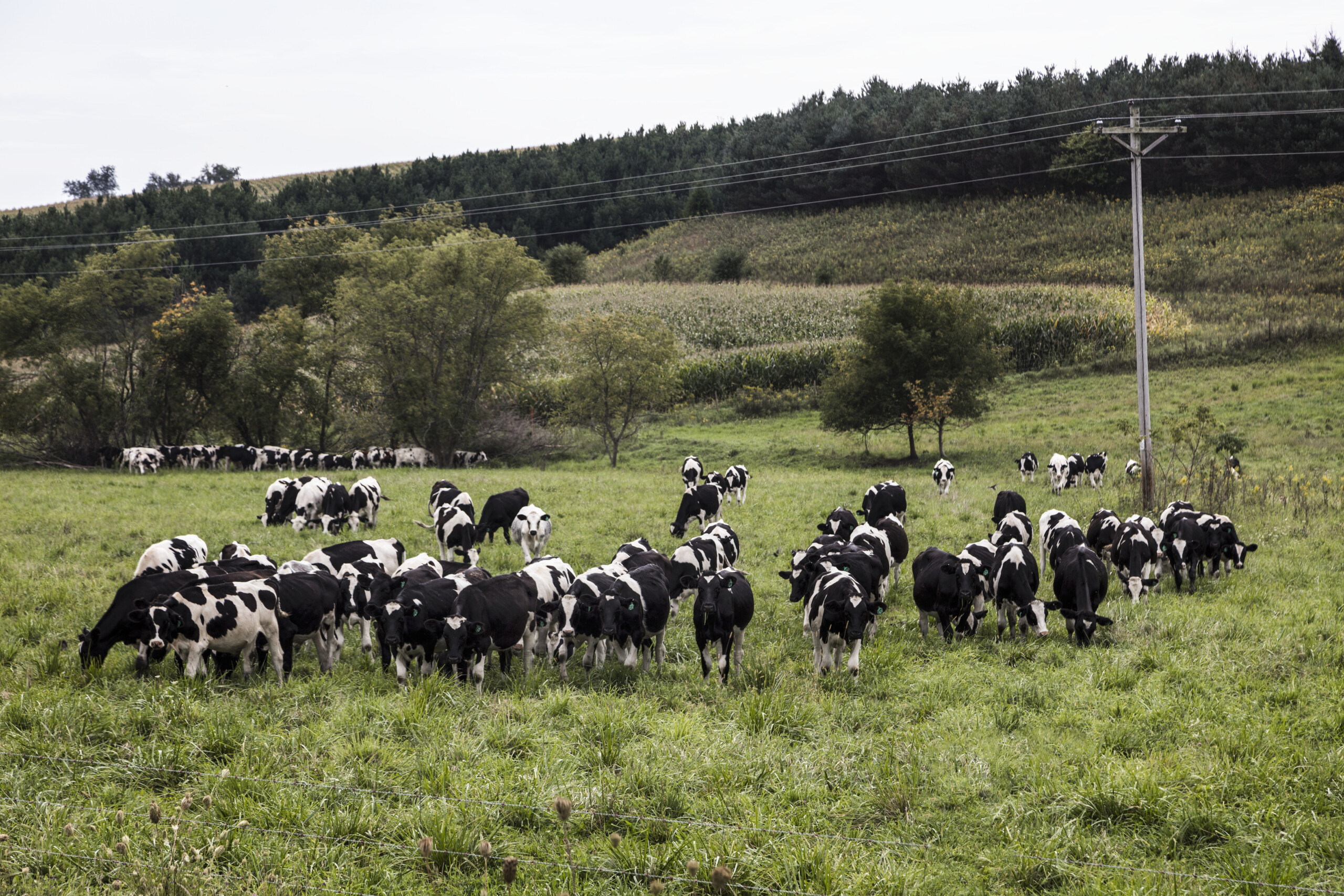
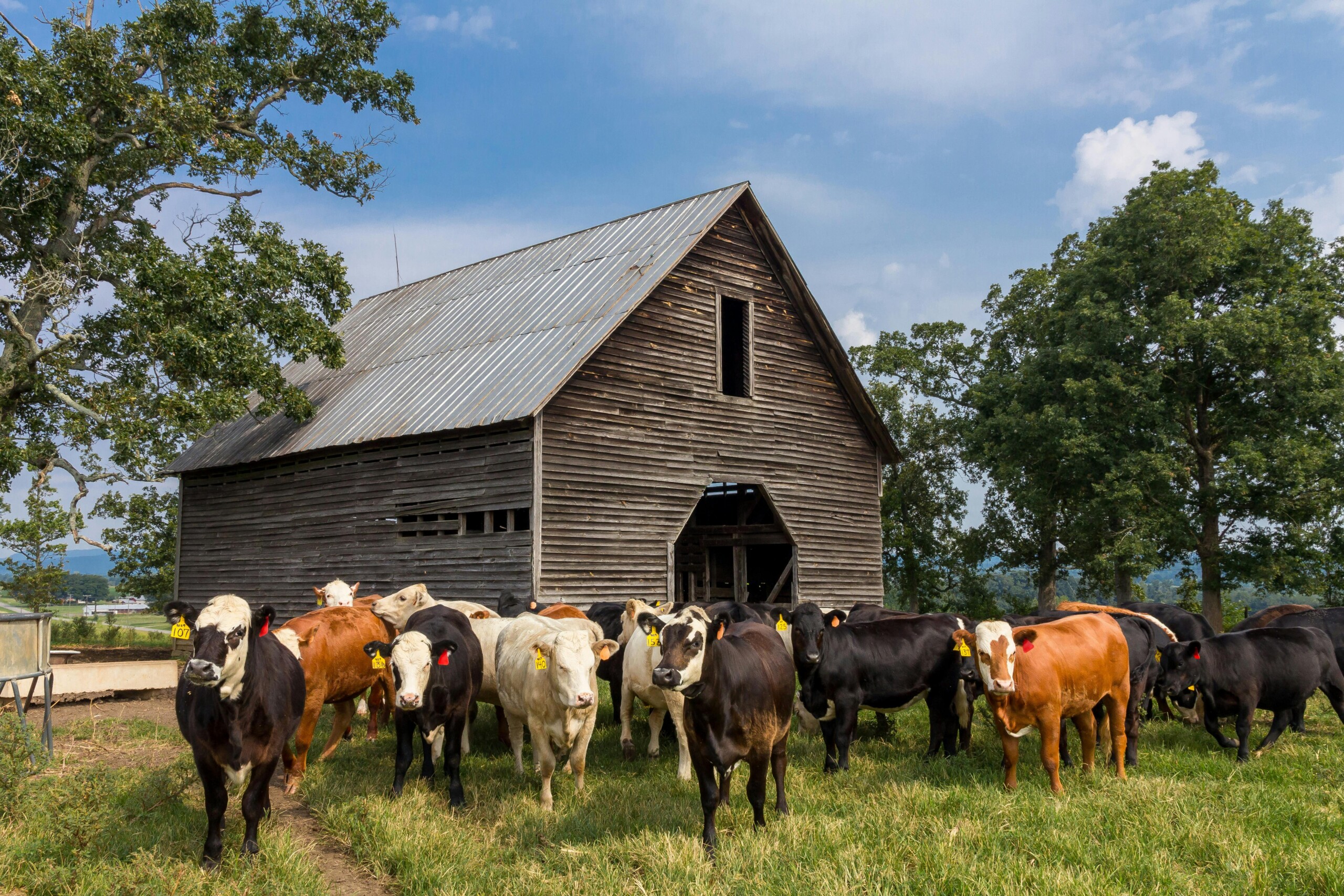
- promotes animals as active allies in regenerative systems
This approach is reflected in the current European initiative, “Regenerative Agronomists,” which aims to address the shortage of regenerative agronomists. Another initiative, the “Pasture of the Future,” is a five‑year program in Switzerland that works with 100 farms in a peer‑to‑peer network to explore grazing, grassland, and animal integration in regenerative systems. Across its projects, DMSF’s role is to convene partners, bring in additional funding, and support solutions that can scale while staying rooted in on‑farm experience.
Governance, independence, and partnership
The interview also touches on governance and independence. Datamars, the Swiss‑based global agritech company, provided seed funding and technical know‑how, but DMSF is legally independent and decides autonomously on its projects and partners. The foundation’s management team makes day-to-day decisions, and external audits are used to ensure that funds are focused on supporting farmers, ranchers, and pastoralists in their transition to regenerative agriculture.
By choosing Liechtenstein and a foundation structure, Klaus aims to create a trusted, long‑term platform that can mobilize resources from philanthropists, NGOs, public institutions, and other partners to support regenerative agriculture globally.
Download and explore the full Philanthropiereport Liechtenstein, including Klaus’s interview (all in German) via the University of Liechtenstein website.
About the Datamars Sustainability Foundation
The Datamars Sustainability Foundation (DMSF) is a nonprofit that supports farmers, ranchers, and pastoralists in adopting regenerative practices that build landscape resilience and strengthen agricultural communities. Our co‑created projects honor the people who regenerate the land, reframe animals as regenerative allies, and are focused on outcomes rooted in living systems. Through co‑creation and partnerships around the world, DMSF builds soil health and restores connection between land, people, animals, plants, health, and purpose.